Opening Perspectives
AI is integrating into the daily workflows of marketing teams faster than many anticipated.
-
Content creators use AI to brainstorm ideas and generate drafts.
-
Social teams use AI to write captions and repurpose content into various formats.
-
SEO teams use AI for title suggestions, topic clustering, and article structuring.
-
CRM teams use AI to segment customers and recommend messaging.
-
Media teams use AI to read campaign signals.
-
Strategy teams use AI to synthesize research and build hypotheses.
As AI embeds itself into so many steps, a new question arises: What do marketing teams actually need to learn?
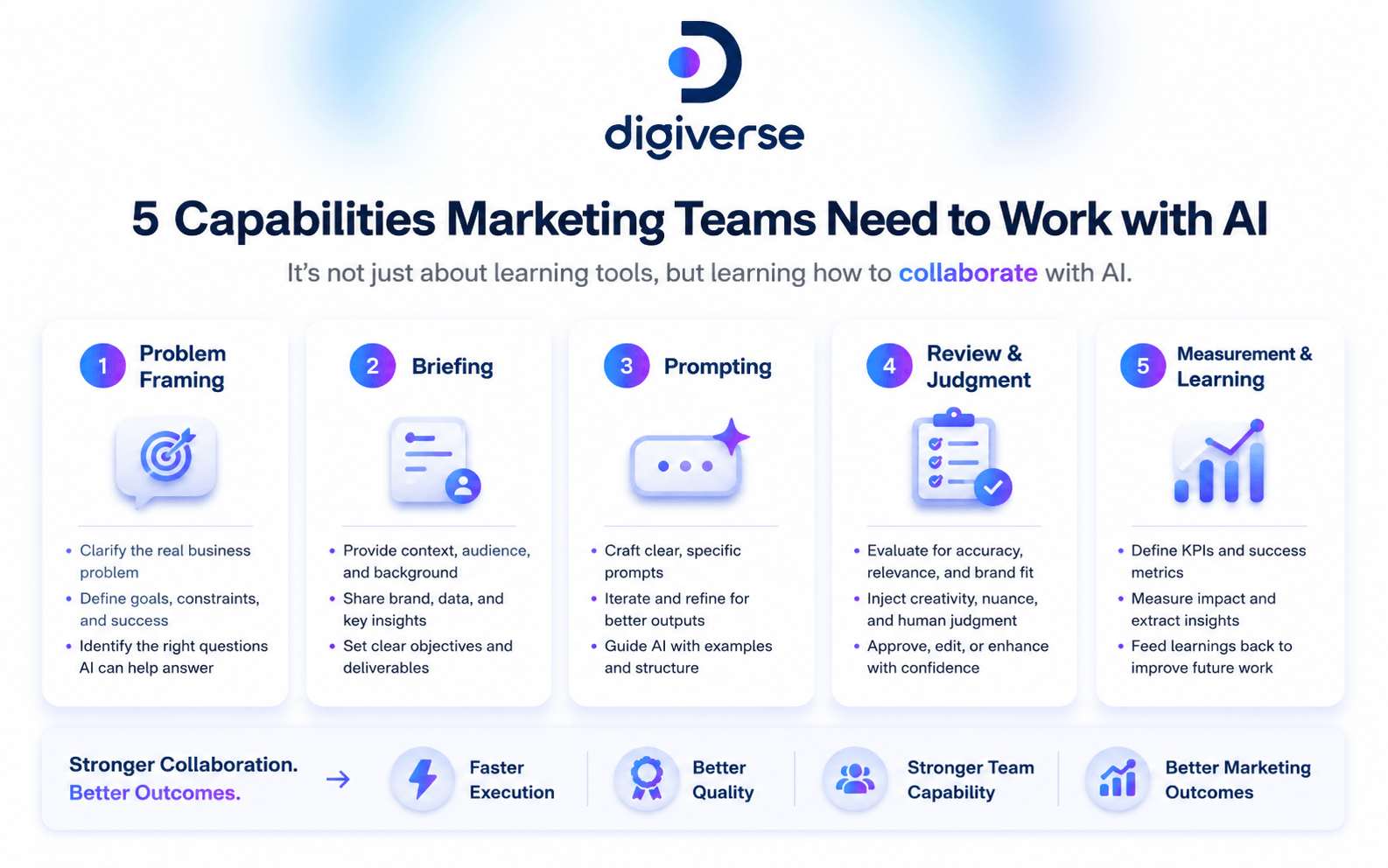
The answer is not just “how to use tools.” While knowing a few AI tools can increase speed, sustainable value requires learning how to collaborate with AI across the entire workflow. AI does not replace marketing thinking; it clarifies the essential role of it.
Why Is This Shift Important?
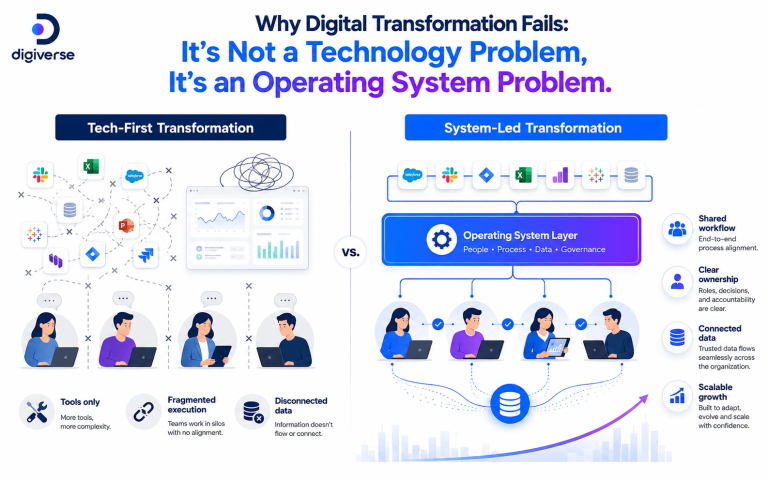
Many teams begin by experimenting with isolated AI tools: one person uses it for writing, another for ideation, another for data analysis. While this helps individuals work faster, it does not necessarily make the team work better.
-
If everyone uses AI differently, output becomes inconsistent.
-
Without a solid brief, AI-generated content is generic.
-
Without brand voice guidelines, content loses its unique identity.
-
Without an approval process, the risk of misinformation increases.
-
Without a system to save prompts and lessons, the team fails to scale its capabilities.
This is why AI proficiency should not be an individual skill—it must become a team-wide operational competency.
What Is Changing?
1. Content Production Speed vs. Strategic Value
AI allows for rapid content scaling—turning one idea into blog posts, social captions, email sequences, and landing page copy. While this provides a speed advantage, it creates new pressure. More content does not equal better content. Without strategy, businesses risk creating massive volumes of content that lack a clear perspective and fail to serve the customer journey. The question is no longer “How much can we produce?” but “What content is truly needed to achieve our goals?”
2. The Criticality of the Brief
AI output is only as good as the input. If a brief is vague, the AI produces generic results. If the target audience isn’t defined, the AI writes for everyone and no one. In the AI era, mastering the art of the brief is a foundational skill. A strong brief must include goals, target audience, context, key messages, brand perspective, channel, format, tone of voice, constraints, and quality standards.
3. From “Doing” to “Coordinating”
Previously, marketing focused on manual execution: writing, editing, posting, and reporting. AI handles much of this, shifting the marketer’s role toward orchestration. Marketers must now become the conductors—asking the right questions, selecting the right data, evaluating AI outputs, fine-tuning brand voice, and connecting content to the overall customer journey.
4. The Need for Standardization
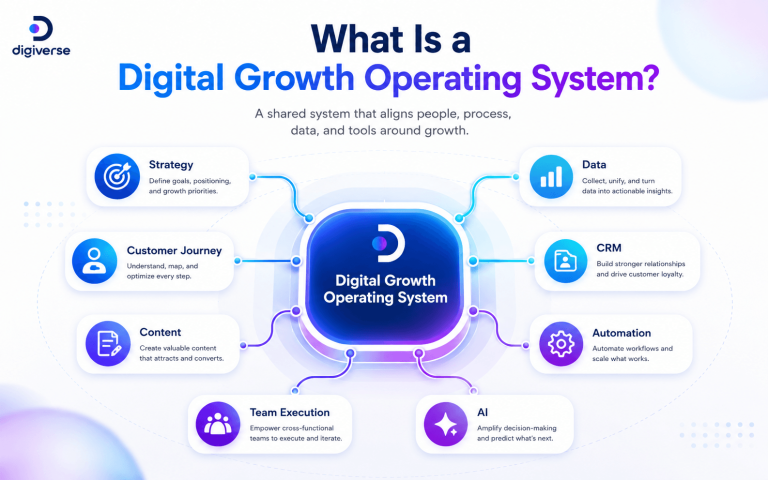
AI ceases to be an individual tool and becomes part of the operating system when the team adopts shared standards: prompt libraries, content brief templates, brand voice guides, and quality checklists.
The Digiverse Perspective: Four Core Competencies
Digiverse believes marketing teams need to develop four new capabilities:
-
Problem Formulation: AI can provide quick answers, but humans must ask the right questions. We must define the business problem, the customer pain point, and the desired shift in perception.
-
Process Design: Determining where AI fits. Not every step should be fully automated. A good process defines which parts AI handles, which parts require human decision-making, and where quality control gates exist.
-
Quality Control: AI writes fluently but can still hallucinate facts or miss nuance. The ability to audit logic, brand alignment, SEO, and reader experience is more important now than ever.
-
Learning from Data: AI should not just be used pre-publication. Teams must feed post-campaign performance data back into the AI loop to refine prompts, strategies, and future outputs.
6-Step Framework for Building AI Capabilities
-
Select Pilot Use Cases: Start small (e.g., brainstorming, outlining, data summarizing) to measure impact quickly.
-
Standardize Inputs: Create a universal brief template that covers goals, persona, context, and brand voice.
-
Build a Prompt Library: Centralize successful prompts to ensure consistency and reduce dependency on individual talent.
-
Codify Brand Voice: Create a “Brand Bible” that defines tone, vocabulary, and perspective, ensuring the AI consistently sounds like “you.”
-
Design Approval Workflows: Implement a checklist for every piece of AI-assisted content (fact-checking, brand alignment, CTA clarity).
-
Measure and Iterate: Use post-publication data to refine your prompts, templates, and processes.
What This Means for Businesses
Businesses that use AI without a system often end up with high-volume, low-quality content. To succeed in the Vietnamese market, start simple: create a standardized brief, document 5–10 recurring prompts, and establish a clear “human-in-the-loop” approval process.
Self-Audit Checklist
-
Does the team know exactly where AI fits in the workflow?
-
Do we have a standardized brief template for AI?
-
Is there a shared team prompt library?
-
Do we have clear brand voice guidelines?
-
Is there a formal content audit checklist?
-
Are the roles of AI vs. Human clearly defined?
-
Do we track performance to improve our AI usage?
If you answered “not sure” to many of these, your team may be using AI as an individual tool rather than an integrated operational capability.